
Passover is a Jewish holiday that commemorates the Israelites’ liberation from slavery in ancient Egypt. According to the biblical account, the Israelites had been enslaved by the Egyptians for 400 years before Moses, with the help of his brother Aaron, led them to freedom.
Meaning and Significance
Contents
The Story of Pesach
The story of Passover begins with the Pharaoh of Egypt, who feared that the Israelites were becoming too numerous and powerful. In an attempt to control their population, he ordered all Hebrew male babies to be killed at birth. Moses was born during this time, and his mother placed him in a basket in the river, where he was found and raised by the Pharaoh’s daughter.
As an adult, Moses witnessed an Egyptian taskmaster beating a Hebrew slave and killed the taskmaster in anger. Fearing punishment, he fled to the desert and lived as a shepherd for many years.
One day, Moses had a vision of God speaking to him through a burning bush, instructing him to return to Egypt and demand that the Pharaoh release the Israelites from slavery. Moses was hesitant at first, but he eventually agreed and, with Aaron’s help, he confronted the Pharaoh.
The Pharaoh refused to release the Israelites, so God sent a series of plagues to convince him to change his mind. The plagues included turning the Nile River into blood, a swarm of locusts, a hailstorm, and the death of all firstborn children in Egypt.
To protect the Israelites from the final plague, God commanded them to sacrifice a lamb and mark their doors with its blood. This would signal to the Angel of Death to “pass over” their homes and spare their firstborn children. This is where the holiday gets its name, Passover.
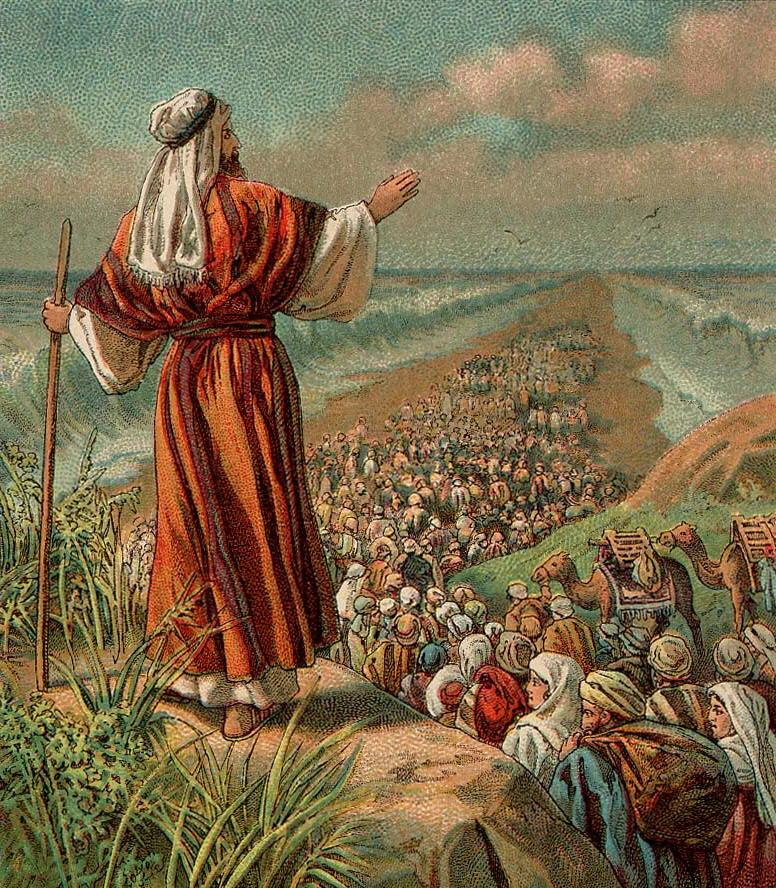
The Pharaoh was finally convinced to let the Israelites go, and Moses led them out of Egypt. They crossed the Red Sea, which parted miraculously to allow them to pass, and eventually arrived at Mount Sinai, where God gave Moses the Ten Commandments.
Passover is celebrated each year in the spring, during the Hebrew month of Nissan. The holiday is marked by a festive meal called the Seder, during which the story of Passover is retold through the reading of the Haggadah, a special text that tells the story of the Exodus. The Seder also includes the consumption of specific foods, such as matzah (unleavened bread), bitter herbs, and wine, which have symbolic significance in the retelling of the story. More information here.
Pesach is celebrated exactly a lunar month after Purim. In Rhodes, the popular expression after Purim in Ladino was Purim lanu, Pesach en la manu, meaning “Purim has come and before you turn around, Passover is here”.
Preparing for Pesach
Prior to the holiday, the home is thoroughly cleaned to remove any leavened bread, known as hametz. Food or drinks made from wheat, rye, barley, oats, spelt, and their derivatives, are subject to the laws of Hametz. All grain products such as cereals, breakfast foods and grain vinegar are forbidden.
Pesach in Rhodes
The Passover holiday was observed rigorously in Rhodes. The Jews cleaned their houses thoroughly and repainted the interiors. Some Jewish mothers did not allow their families to eat inside their homes for several weeks prior to Passover in order to ensure that no hametz would be spread about. During this period, families ate outside on the porch.
Each year in Rhodes the Chief Rabbi inspected the windmills used to grind flour for matzot. Once a windmill had been found satisfactory, women brought their wheat to be ground, taking care to keep their mouths and noses covered so no liquid of any kind could come in contact with the wheat. Once the flour was ready, the women brought it to the community oven where a rabbi supervised its baking according to the specifications of Jewish law. Matzot were large and flat, circular in shape and were eaten as a reminder of the haste with which the Israelites left Egypt.
On the eve of the seventh day of Passover, Rhodeslis met in their synagogues or homes for a vilada, where they spent the night studying and reading a special service until morning. At the conclusion of the Passover holiday, men brought grass to their homes, symbolizing the reeds along the shore of the Red Sea.
I Remember Rhodes by Rebecca Amato Levy
Passover
For the Sephardim of Rhodes, Pesach was a holiday filled with happiness, a gathering of family and friends and a time when no one in the Jewish Quarter or Juderia was left alone or hungry. The expression, “todo el ke tiene hambre … venga y koma.” meaning, “anyone who is hungry… come in and eat with us” … was a truism. Everyone’s door was open to anyone.
The word pesah had a special definition to the people of Rhodes. The first letter, the P, stood for “Paras” (money) … the S, stood for the word “Sin” (without) and the H at the end represented the word “Heshbon” (count.) Putting it together the interpretation was that so much money was spent on Pesah, you lost count.
The preparation began six to eight weeks prior to the Passover holiday. The first phase consisted of a thorough cleaning of the house. The interior of the house was washed with hot water and soap. For the deep scrubbing, they used what was called “barro y arena.” Barro was sort of a clay and arena was sand from the sea. They were mixed to form an abrasive. Whatever woodwork was in the house was polished with a mixture of kerosene and oil and this made the woodwork really shine.
The tapeties (oriental throw rugs) were picked up off the floor, taken to the seashore, immersed in the salt water and then scrubbed with stiff brushes and spread out on the rocks to dry. Because this was an all-day process, many families would get together, help each other; and then they would picnic on the beach the rest of the day while they waited for the rugs to dry.
Once a room was cleaned, it was used as little as possible. All the bedding had to be taken out, shaken and aired thoroughly. Any of the bedding that needed fixing or replacing was done at this time. It was a time for “ka-pleyando kolchas” which meant covering the quilts.
The interior walls in the homes of the Juderia had a whitewash finish. Every Pesah, the families would whitewash these walls as well as the exterior of the house. The floors consisted of small smooth pebbles called “sheshicos” and these were scrubbed with a brush, then scrubbed again with short brooms until they were absolutely clean and shiny. After the kitchen cupboards were cleaned, they were sealed by tying the knobs together with a white rag. None of the cupboards were opened until two days before Passover. The sidewalk right outside the entrance was scrubbed and the “kortijo” (courtyard) was used for all the meals before Pesah. Everyone in the family helped clean for the holiday and many families helped each other.
Naturally, water was almost a luxury and was used sparingly. During these weeks of cleaning, it was necessary to use more than the average amount of water and there was more waste to dispose of, as tubs of hot water mixed with cleaning agents were used continuously.
In the early 1900’s, waste water was merely thrown out in the streets in front of the homes. The city officials on the Island of Rhodes eventually put a stop to this; however, during the week of Passover, the Jews were allowed to dispose of their waste water by throwing it out in the street in front of their homes. The homes had what they called a “posa” or cesspool for the disposal of dirty water, and these were emptied out about twice a year.
Starting from about Purim, the custom was to start washing the “losa” or Passover cookwear and housewares. It is interesting to note that he word “losa” in Castilian Spanish means pottery. The washing began with the pots and pans, the dishes, was gasses and the silverware. All of the Passover “losa” was kept in a special cupboard and was brought out only once a year to be used strictly for this holiday. Whereas the everyday housewares were chipped, bent, and dented, the “losa” de Pesah was always new-looking, shiny and beautiful. There were two items from the everyday housewares that were also used during Pesah.
One was the drinking glasses, which had to be washed in boiling water; and the other was the knives. Since knives were few, they were allowed to be koshered for Passover use. As you entered the gates of the Juderia during the weeks prior to Pesah, you could almost smell the cleanliness.
About a month prior to Passover, the community leaders would rent one of the public ovens for the Passover baking. The leaders hired people to tend the ovens and help with the baking of the matsoth. All of the matsoth were baked in these ovens and then sold to the families. The Passover flour used for the masas de vino, the mulipitas, gateau, etc. was purchased from the leaders. Whatever profit was derived from this was used to buy food for the under-privileged.
It was very common during the whole week of Pesah to see a potful of potatoes on the “hornaya,” a small built-in charcoal grate, just boiling away. Since bread was not allowed and matsah oftentimes did not satisfy the children’s hunger, they were given boiled potatoes with salt and pepper as an in-between snack.
The weeks before Pesah were filled with hard work and, as mentioned earlier, everyone pitched in. The young girls were required to do all the grinding, using the “mortero,” mortar and pestle. This included the salt, pepper, cinnamon, cloves, matsoth, and nuts. They had a favourite expression that went…”De Purim a Pesah….mejor ke mi madre no me pareira,” meaning: From Purim to Passover, I wish I’d never been born!
A few days before Pesah, the women started the cooking. The assortment of foods consisted of “ava fresca” (horse beans); “Kashkarikas reinades” (outer shell of the horse beans with a hamburger stuffing); “tomates reinados” (tomatoes with a hamburger stuffing); “keftes de prasa” (leek patties); “kuashado or meginah di Pesah” (a meat/egg souffle); and “huevos haminados” (eggs boiled all day in water with onion skins, salt and pepper); and “karne kebab” (small pieces of meat slowly cooked in its own juice). Then there was “haroset” (made of dates, nuts, wine and a touch of vinegar). This was made the day before the holiday.
The Hagadah tray included celery, lettuce, matsoth, hardboiled egg, lamb shank and the haroset. In addition to all the baked goods mentioned, there were “dulces,” sweets, such as “sharopi,” a white smooth confection, sometimes made with marzipan; candied pears and apricots; and “bembriyo,” quince.
Passover
For the Sephardim of Rhodes, Pesach was a holiday filled with happiness, a gathering of family and friends and a time when no one in the Jewish Quarter or Juderia was left alone or hungry. The expression, “todo el ke tiene hambre … venga y koma.” meaning, “anyone who is hungry… come in and eat with us” … was a truism. Everyone’s door was open to anyone.
The word pesah had a special definition to the people of Rhodes. The first letter, the P, stood for “Paras” (money) … the S, stood for the word “Sin” (without) and the H at the end represented the word “Heshbon” (count.) Putting it together the interpretation was that so much money was spent on Pesah, you lost count.
The preparation began six to eight weeks prior to the Passover holiday. The first phase consisted of a thorough cleaning of the house. The interior of the house was washed with hot water and soap. For the deep scrubbing, they used what was called “barro y arena.” Barro was sort of a clay and arena was sand from the sea. They were mixed to form an abrasive. Whatever woodwork was in the house was polished with a mixture of kerosene and oil and this made the woodwork really shine.
The tapeties (oriental throw rugs) were picked up off the floor, taken to the seashore, immersed in the salt water and then scrubbed with stiff brushes and spread out on the rocks to dry. Because this was an all-day process, many families would get together, help each other; and then they would picnic on the beach the rest of the day while they waited for the rugs to dry.
Once a room was cleaned, it was used as little as possible. All the bedding had to be taken out, shaken and aired thoroughly. Any of the bedding that needed fixing or replacing was done at this time. It was a time for “ka-pleyando kolchas” which meant covering the quilts.
The interior walls in the homes of the Juderia had a whitewash finish. Every Pesah, the families would whitewash these walls as well as the exterior of the house. The floors consisted of small smooth pebbles called “sheshicos” and these were scrubbed with a brush, then scrubbed again with short brooms until they were absolutely clean and shiny. After the kitchen cupboards were cleaned, they were sealed by tying the knobs together with a white rag. None of the cupboards were opened until two days before Passover. The sidewalk right outside the entrance was scrubbed and the “kortijo” (courtyard) was used for all the meals before Pesah. Everyone in the family helped clean for the holiday and many families helped each other.
Naturally, water was almost a luxury and was used sparingly. During these weeks of cleaning, it was necessary to use more than the average amount of water and there was more waste to dispose of, as tubs of hot water mixed with cleaning agents were used continuously.
In the early 1900’s, waste water was merely thrown out in the streets in front of the homes. The city officials on the Island of Rhodes eventually put a stop to this; however, during the week of Passover, the Jews were allowed to dispose of their waste water by throwing it out in the street in front of their homes. The homes had what they called a “posa” or cesspool for the disposal of dirty water, and these were emptied out about twice a year.
Starting from about Purim, the custom was to start washing the “losa” or Passover cookwear and housewares. It is interesting to note that he word “losa” in Castilian Spanish means pottery. The washing began with the pots and pans, the dishes, was gasses and the silverware. All of the Passover “losa” was kept in a special cupboard and was brought out only once a year to be used strictly for this holiday. Whereas the everyday housewares were chipped, bent, and dented, the “losa” de Pesah was always new-looking, shiny and beautiful. There were two items from the everyday housewares that were also used during Pesah.
One was the drinking glasses, which had to be washed in boiling water; and the other was the knives. Since knives were few, they were allowed to be koshered for Passover use. As you entered the gates of the Juderia during the weeks prior to Pesah, you could almost smell the cleanliness.
About a month prior to Passover, the community leaders would rent one of the public ovens for the Passover baking. The leaders hired people to tend the ovens and help with the baking of the matsoth. All of the matsoth were baked in these ovens and then sold to the families. The Passover flour used for the masas de vino, the mulipitas, gateau, etc. was purchased from the leaders. Whatever profit was derived from this was used to buy food for the under-privileged.
It was very common during the whole week of Pesah to see a potful of potatoes on the “hornaya,” a small built-in charcoal grate, just boiling away. Since bread was not allowed and matsah oftentimes did not satisfy the children’s hunger, they were given boiled potatoes with salt and pepper as an in-between snack.
The weeks before Pesah were filled with hard work and, as mentioned earlier, everyone pitched in. The young girls were required to do all the grinding, using the “mortero,” mortar and pestle. This included the salt, pepper, cinnamon, cloves, matsoth, and nuts. They had a favourite expression that went…”De Purim a Pesah….mejor ke mi madre no me pareira,” meaning: From Purim to Passover, I wish I’d never been born!
A few days before Pesah, the women started the cooking. The assortment of foods consisted of “ava fresca” (horse beans); “Kashkarikas reinades” (outer shell of the horse beans with a hamburger stuffing); “tomates reinados” (tomatoes with a hamburger stuffing); “keftes de prasa” (leek patties); “kuashado or meginah di Pesah” (a meat/egg souffle); and “huevos haminados” (eggs boiled all day in water with onion skins, salt and pepper); and “karne kebab” (small pieces of meat slowly cooked in its own juice). Then there was “haroset” (made of dates, nuts, wine and a touch of vinegar). This was made the day before the holiday.
The Hagadah tray included celery, lettuce, matsoth, hardboiled egg, lamb shank and the haroset. In addition to all the baked goods mentioned, there were “dulces,” sweets, such as “sharopi,” a white smooth confection, sometimes made with marzipan; candied pears and apricots; and “bembriyo,” quince.
Pesach in the Synagogue
Prior to the afternoon service on the first two days of Passover, it was customary to chant the Song of Songs (Shir HaShirim) in the synagogues. Each verse was sung first in Hebrew and then in a traditional Ladino translation.
Two examples of this can be found here:
Pesah פסח – Shir Hashirim שיר השירים לדינו in Ladino – Ribi Momy Assayag
Isaac Azose שיר השירים
Pesach in the Home
The Seder (The order)
This is the central ritual of Pesach and takes place in the home. As several generations of family and friends gather around the celebration table, the Haggadah is recited in Hebrew, Ladino or English, relating the 3 600-year story of deliverance of the Israelites from Egypt.
The Seder plate is set out according to the tradition of Ari (Rabbi Isaac Luria, of medieval Spain). Each little compartment on the tray contains one of the ritual foods that remind participants of certain historical truths. The ritual foods include: three matzot with the middle matza broken in half, enclosed in a special embroidered cover. A roasted lamb shank and a whole hard-boiled egg are both kept on display, symbolising the temple offerings and sacrifices. Harosi, the sweet fruit and nut paste, is symbolic of the mortar used by the Hebrew slaves to construct the pyramids. Karpas, parsley or celery, represents new growth also displayed with maror, Romaine lettuce, denoting the bitterness of slavery, and lastly white vinegar, that the lettuce is dipped in, representing the tears of captivity.
An empty chair and an extra cup of wine are also placed at the table, with the door left open, mystically awaiting the Prophet Elijah, as well as the poor who might wish to join the Seder.
Traditionally, a young person recites the Four Questions, which begin with the verse, “Why is this night different from all other nights?” Later, children also search for the middle portion of the matza, afikomen, which has been hidden. The lucky child who finds it receives a token reward.
Passover Agada Hebrew, Ladino and English from the Seattle Sephardic Community Published in April 2020 can be found here.
The rendition of the Kadesh Urhats – the recitation of the order of the Passover Seder in Hebrew and partially in Ladino with instructions. This is sung at the beginning of the Passover Seder on both the first and second nights of Passover at home.
The Food of Pesach
A typical Passover evening meal (from Stella’s Sephardic Table) may include:
Matza, served with sweet fruit and nut paste.
Fried fish with egg-lemon sauce made with matza cake flour.
Leek, potato and fresh herb matza fritters.
Beef or chicken matza bake.
Veal, egg and herb-filled potato croquettes served with hard-boiled eggs.
Slow-cooked lamb with potatoes.
Broad bean and veal stew served with green spring salad.
Dessert: Meringues with mastic; marzipan ; spoon sweets; Passover wine biscuits; whole pear and almond preserve; hot fresh apricots filled with almond paste; Clementine and almond cake.
Charoset Jarose
Fried matza Rese frita
Leek fritters Kyeftés de prása
Potato fritters Fritádas de patata
Matza fritters Bumwélos de matza
Spinach and potato bake Fongos
Spinach bake with potato Kwazádo de espinaka
Brown hard-boiled eggs Gwévos enjaminádos
Meat bake Kwazádo de kárne
Chicken bake Kwazádo de gayina
Lamb casserole Kyebáb de kordero
Fish: with lemon and egg Peskádo: kon gwévo y limón
Sauce poached in tomato a la mwéstra kon tomát
Sweets Dulses
Stewed apple Komposto de mansána
Grapefruit pith sweet Dúlse de gázo
Matza sweet Aljasu
Macaroons Marrocinos
Marzipan Masapán
Almond cake Pésach gateau
Stuffed dates Dátle reyenádo
Quince preserve Dúlse de bembríyo
Pumpkin preserve Dúlse de kalavása
White sweet Sarópe
Wine biscuit Mása de vino
For breakfast matza fritters are eaten. Throughout the week matza is eaten dipped in the delicious, sweet fruit and nut paste as a snack.
In Rhodes, traditionally the last day was celebrated by having a picnic in the country, bringing spring wheat back home with which to decorate tables for the meal on that evening. This meal, the first after Passover, always included both the first lamb and leavened bread.
The Sephardi Culinary Tradition by Elsie Menasce
The festival commemorating the liberation of the Children of Israel from slavery in ancient Egypt was celebrated with happy fervour on Rhodes. During the weeks before Pesach dozens of eggs were collected for the large variety of foods to be served.
Preparations began on the second day of Purim. Walls, woodwork and floors patterned in a mosaic of black and white pebbles were cleaned. The special Pésach crockery and utensils of lósa were taken out, rinsed and polished. Only drinking glasses and knives, both luxury items, were made kosher for use during the festival. Cupboards were cleaned and sealed till the eve of Pésach and meals were eaten outside in the kortizos.
Amid the bustle many a young girl could be heard to sigh: ‘De Purim a Pésach.. mizor ke mi mádre no me paryéra!‘ (‘From Purim to Pésach…I wish I had never been born!’)
A quote from the Hagada or story of Pésach, Tódo kyen tyene ámbre venga y koma’ (‘Let anyone who is hungry come and eat with us’) was chanted in Hebrew and Ladino during the festive meal or seder, the highlight of the festival, on the first and second nights of Pésach.
The meal ended with ancient thanksgiving prayers and folk songs such as Un Kavritiko (One Little Goat) or Kyen Supyese y Entendyese (He Who Knows and Understands). Guests would then wend their way home, secure in the joy of this shared ritual.
On the eighth day, the last morning of Pésach, the community would picnic at Zimbouli or Rhodini Park. On their return to the Gudería, they would pick sprays of greenery and spring blossoms to decorate every room in the house. Bunches of willow would be displayed to indicate that Pésach had ended and that the home could be restocked with leavened foods.
Traditional dishes served during this festive season are kwazádo de Pésach (tasty mince pie), gwévos enjaminádos (hard-boiled eggs coloured a rich brown with onion skins), kyeftés de prása (savoury leek fritters), and a variety of sweet dishes such as sarópe or bembríyo (quince preserve).
The festival commemorating the liberation of the Children of Israel from slavery in ancient Egypt was celebrated with happy fervour on Rhodes. During the weeks before Pesach dozens of eggs were collected for the large variety of foods to be served.
Preparations began on the second day of Purim. Walls, woodwork and floors patterned in a mosaic of black and white pebbles were cleaned. The special Pésach crockery and utensils of lósa were taken out, rinsed and polished. Only drinking glasses and knives, both luxury items, were made kosher for use during the festival. Cupboards were cleaned and sealed till the eve of Pésach and meals were eaten outside in the kortizos.
Amid the bustle many a young girl could be heard to sigh: ‘De Purim a Pésach.. mizor ke mi mádre no me paryéra!‘ (‘From Purim to Pésach…I wish I had never been born!’)
A quote from the Hagada or story of Pésach, Tódo kyen tyene ámbre venga y koma’ (‘Let anyone who is hungry come and eat with us’) was chanted in Hebrew and Ladino during the festive meal or seder, the highlight of the festival, on the first and second nights of Pésach.
The meal ended with ancient thanksgiving prayers and folk songs such as Un Kavritiko (One Little Goat) or Kyen Supyese y Entendyese (He Who Knows and Understands). Guests would then wend their way home, secure in the joy of this shared ritual.
On the eighth day, the last morning of Pésach, the community would picnic at Zimbouli or Rhodini Park. On their return to the Gudería, they would pick sprays of greenery and spring blossoms to decorate every room in the house. Bunches of willow would be displayed to indicate that Pésach had ended and that the home could be restocked with leavened foods.
Traditional dishes served during this festive season are kwazádo de Pésach (tasty mince pie), gwévos enjaminádos (hard-boiled eggs coloured a rich brown with onion skins), kyeftés de prása (savoury leek fritters), and a variety of sweet dishes such as sarópe or bembríyo (quince preserve).
Additional Resources
Laws and Customs of Passover
B’nai Sephardim
History, background and laws
SephardicU
Passover Concludes and A Recipe for “Ahashu”
BendichasManos.com
From NY…..a Rhodesli Seder
BendichasManos.com
“Who Knows One?” in Ladino: Songs at the Sephardic Passover Seder
My Jewish Learning
Had Gadya in Ladino: A Sephardic Passover Tradition?
UW Stroum Center for Jewish Studies Logo
Had Gadya sung in Rhodesli style
YouTube Channel: MrTricoman
Part 1 | Part 2
YouTube Channel: MrTricoman
Laws and Customs of Passover
B’nai Sephardim
History, background and laws
SephardicU
Passover Concludes and A Recipe for “Ahashu”
BendichasManos.com
From NY…..a Rhodesli Seder
BendichasManos.com
“Who Knows One?” in Ladino: Songs at the Sephardic Passover Seder
My Jewish Learning
Had Gadya in Ladino: A Sephardic Passover Tradition?
UW Stroum Center for Jewish Studies Logo
Had Gadya sung in Rhodesli style
YouTube Channel: MrTricoman
Part 1 | Part 2
YouTube Channel: MrTricoman
Sources and References
- Marc D. Angel, The Jews of Rhodes (1978).
- Stella Cohen, Stella’s Sephardic Kitchen (2012).
- Elsie Menasce, The Sephardi Culinary Tradition (1984).