
Contents
The story of the Sephardi community of Rhodes began in 1523, when Rhodes came under the control of the benevolent rule of Sultan Suleyman the Magnificent, head of the Ottoman Empire (1522-1566). Jewish settlement was encouraged and the majority of the new Jewish immigrants were those who had found refuge in Turkey at the time of the expulsion. Jews came from Jerusalem, Izmir, Constantinople and Salonica.
Rhodes gradually developed into a very important Sephardi centre. With so many scholars, outstanding rabbis and authors’, it was often referred to as “La Chica Yerushalayim“, or “the small Jerusalem”. Under Ottoman rule which lasted until 1912, the Jews of Rhodes thrived and prospered, developing a distinct sub-culture rich in tradition.
Dhimmis and Millet
Although Jews had many rights and privileges, they were nevertheless subject to various legal restrictions due to the distinction which the Muslim government made between different population groups. As dhimmis, they were given the basic freedom of life, religion and property but in return for this tolerance they had to pay heavy taxes in order to keep them in a subservient position within Muslim society.
The Ottomans implemented the millet system, granting religious autonomy to non-Muslim communities, including Jews. The Jews of Rhodes had their own schools, courts, synagogues and communal institutions. They were well organised and efficiently administered. The community had its own infrastructure and was governed by a council of seven officials. Government taxes were collected by a Jew who was appointed by the Ottoman governor.
Having narrow judicial powers, the Council often had to depend on the rabbinical authorities of the ‘Tribunal Rabiniko‘ in matters of Jewish Law concerning marriage, divorce and inheritance. There was generally, in Sephardi communities, a religious leader, known as ‘Haham‘, or ‘Marbit Torah‘. The office of chief Rabbi only began to develop in Rhodes at the beginning of the 17th century and was well established by the 18th century. The supremacy of religious law reigned high in all matters of life.
Growth and Decline
Growth and prosperity characterised the 16th and early 17th century. The Ottoman Empire was reaching the peak of its expansion, with a powerful navy controlling the Mediterranean Sea. Rhodian Jews, involved in many economic activities, naturally benefitted both from the economic climate and the excellent location of the island.
The beginning of the 17th century witnessed both the military and economic decline of the Ottoman Empire. Turkey experienced Inflation which affected the flow of goods and services. Jews, being merchants, naturally suffered along with the rest of the populace. Another important factor affecting the decline of the Jewish community was the disastrous consequences of the infamous Shabattai Zvi (Shabattal Zvi from Izmir was a pseudo-Messiah who failed to fulfil his messianic prophecy in 1666 when he converted to Islam to save his life). The decline of the Sephardi communities of the Ottoman Empire has often been associated with that year.
By the 18th century, the expansion of European trade and the increased importance of the Atlantic Ocean further diminished the Ottoman Empire’s shares and markets. The economic deterioration was evident in Rhodes where apart from a small percentage of affluent people, the masses became impoverished. Jews, still involved in wine industry, sea-trade with nearby islands, peddling in villages and shopkeeping in the city, were also affected.
An Island Amidst the ottoman Empire
The Jewish community of Rhodes, like other Sephardi communities in the Levant, was both literally and figuratively an island amid the Ottoman Empire. Although strongly influenced by the surrounding culture, it formed a culturally independent world of its own and retained its Hispanic Jewish identity, partly as a result of the ‘millet’ structure. As one Ottoman Jew said: “We were in the empire but not of the empire”. In this way, this Jewish community differed from that of its ancestors in Spain who had enjoyed a symbiotic relationship with society and its general culture.
In addition to this, the Jewish communities of the Ottoman Empire and the Balkan countries were also isolated from the Ashkenazi communities abroad to such an extent that very often the latter were unaware of their existence. As a result, the Rhodes Jewish community, insulated from the non-Jewish society of the Ottoman empire and separated from the rest of world Jewry, had to rely on its own religious and cultural resources.
In general, the Jews of Rhodes lived peacefully among their non-Jewish neighbours with whom they worked on a daily basis and sometimes even visited on a social basis. Throughout the centuries, even though relationships between the different groups were pleasant, the Jews were still exposed to periodic incidents of humiliation, violence and vandalism.
Sami Modiano and his Mezuza in 1997
By: Jo Mallel

One may ask: “Why did I choose to speak about Sami Modiano, now, in 2013?” For the past few years I have seen a number of newspapers and tv’s interviewing him and now he has written a book in Italian about his experience of the holocaust.
He and Jakitou Hasson, who passed away a few years ago here in Cape Town, were the youngest survivors from Rhodes. Sami is an eyewitness of the past and a hero of the history of the Jews of Rhodes.
Sami is an interesting character. I have known him for many years, as I met him when I used to go to Rhodes before even the first museum was created by Aron Hasson. Why do I say he is a character? As we say in ladino, he is a ‘cavesa dura (hard head – obstinate). When I used to ask him about the holocaust, he would never answer. All that he was prepared to do, was to tell us the names of the people who used to live in the houses or shops that we passed when we walked in the old city….. Esty morava aki (so-and-so used to live here)… In frenty avia esti ki vindia laz frutas (the other one used to sell fruit)… and that is all …. Never a word about the deportation….. During my trip in July 1997 with my late wife Nicole, I spoke to Sami again and I begged him to talk …
Sami, azi mi plaziar dimi koualou ci passo (Sami, do me a favour, you must tell me what happened).
Mostra me…. Douspouz di ti no ay digounos ki va a kontar (Who is going to tell the stories after you?)
Violetta Finz mi dichou dimanda Ii dili ki yo ti dichi di dimadarli (Violetta Finz told me to ask you to show me around and tell your story)
He replied: ti lo vou azer par ti solo et no mi dimada ouna otra vez…(ok, I will do it for you and don’t ask me again.)
I thanked him and we made an appointment for the following day at 9am.
I went to his house with Rose Denti’s husband, Dennis Basson. Sami’s wife, Selma, told me that I was very lucky, this is unique as he had never agreed to that with anyone before. I was thrilled and honoured. I was ready with my 8mm video camera; he did not object at all and I had the privilege of filming him from the beginning to the end. He explained the whole story. I think he has forgotten about that film. No other TV or newsman has that report, done on that day of July 1997. It was exactly 52 years after his deportation.
Sami lives a few minutes from “La Calle Ancha”, where the holocaust memorial was dedicated on June 23, 2002. From the “Square Of The Martyred Jews” he explained the bombardment they suffered in the old city by the allies. We walked past the Mandraki towards the “Gate of Amboise”, where the former Italian air force command center was situated. The Jews were held there for 3 days prior to their deportation. From there, we walked to his parent’s house which had been in a wealthy area at the time. He explained that when he came back for the first time in 1950, there were people living there and they returned the house to him. He gave all the furniture to the late Mrs Soulam, a cousin of his. After the war Sami left for the Belgian Congo where he had family. He went into business with Jakitou in Kamina, in Katanga province.
In 1955, a Greek guy that Sami knew, made him an offer to buy his house in Rhodes. He accepted and the deal was done.
Since 1960, Sami spends 5 months a year in Rhodes. The last time he visited the house was in 1972, and he swore never to go again. He was 13 years old when he was deported. Sami told us that from the time he sold the house, there were 3 different owners.
Arriving next to his house, in 1997, he had tears in his eyes. | could see his face changing, he was very sad. One can imagine the film going on in his mind.
l asked him: ‘Sami, staz bien (are you ok)…no reply. He was as white as a sheet.
Then, something strange happened … We are eyewitnesses…… From 1950 until this day in 1997, the house had always been empty. Before being able to access the entrance, we had to fight our way through the overgrowth. Once inside, we had to be careful as most of the house was a very large, wooden structure. We went into the main lounge. He could not stop crying, to the point that I, myself, was “tchouradou” (crying).
He explained that he was born in that house and showed us around. I left him for a few minutes and went to film other parts of the house. Suddenly | saw something on the door and went to have a closer look. I found a mezuza!! I shouted: “Sami, Vienii aki presto …mera koualoutoupi” (Sami, come here quickly, look what I found). He could not believe his eyes!!!! Lagrimas (crying) he told us that this mezuzah was placed there on the day of his birth, 66 years ago. On the day that they were evacuated from their homes, his father gave him the blessing, at that mezuzah!!
For me it was an amazing experience to be part of something like this. Here was this man whose entire family had been murdered and all these years later he finds this important link to his parents. I managed with difficulty to take the mezuzah off the doorpost and gave it to him. One cannot explain this sensation. It reminded me of my father in Elisabethville, giving me the blessing before travelling, or for other special occasions.
That was the first surprise. When we left through the back door, the yard was covered with debris. I started to clear some of the debris and….second surprise!!!
After 66 years, I found a small Italian book that used to belong to Sami’s sister who was deported and perished in the camp. Sami could not talk any more. He was looking and looking at these two items in disbelief.
On the way back, we stopped again at the former air force command and walked to the port exactly the same way that 1604 Jewish Rhodeslies did on the 23 of July 1944. As we got to the port he showed us exactly where the 3 boats were and then told us the story up to the day of their arrival in Auschwitz. Well, since that day, he has opened his history to the world and, I repeat, he is a hero of the history of La Juderia di Rhodis.
Sami told me: “Without you I would never have had such a memorable, unforgettable day.”
I found myself honoured to be part of Sami Modiano’s story in my way.
By: Jo Mallel
One may ask: “Why did I choose to speak about Sami Modiano, now, in 2013?” For the past few years I have seen a number of newspapers and tv’s interviewing him and now he has written a book in Italian about his experience of the holocaust.
He and Jakitou Hasson, who passed away a few years ago here in Cape Town, were the youngest survivors from Rhodes. Sami is an eyewitness of the past and a hero of the history of the Jews of Rhodes.
Sami is an interesting character. I have known him for many years, as I met him when I used to go to Rhodes before even the first museum was created by Aron Hasson. Why do I say he is a character? As we say in ladino, he is a ‘cavesa dura (hard head – obstinate). When I used to ask him about the holocaust, he would never answer. All that he was prepared to do, was to tell us the names of the people who used to live in the houses or shops that we passed when we walked in the old city….. Esty morava aki (so-and-so used to live here)… In frenty avia esti ki vindia laz frutas (the other one used to sell fruit)… and that is all …. Never a word about the deportation….. During my trip in July 1997 with my late wife Nicole, I spoke to Sami again and I begged him to talk …
Sami, azi mi plaziar dimi koualou ci passo (Sami, do me a favour, you must tell me what happened).
Mostra me…. Douspouz di ti no ay digounos ki va a kontar (Who is going to tell the stories after you?)
Violetta Finz mi dichou dimanda Ii dili ki yo ti dichi di dimadarli (Violetta Finz told me to ask you to show me around and tell your story)
He replied: ti lo vou azer par ti solo et no mi dimada ouna otra vez…(ok, I will do it for you and don’t ask me again.)
I thanked him and we made an appointment for the following day at 9am.
I went to his house with Rose Denti’s husband, Dennis Basson. Sami’s wife, Selma, told me that I was very lucky, this is unique as he had never agreed to that with anyone before. I was thrilled and honoured. I was ready with my 8mm video camera; he did not object at all and I had the privilege of filming him from the beginning to the end. He explained the whole story. I think he has forgotten about that film. No other TV or newsman has that report, done on that day of July 1997. It was exactly 52 years after his deportation.
Sami lives a few minutes from “La Calle Ancha”, where the holocaust memorial was dedicated on June 23, 2002. From the “Square Of The Martyred Jews” he explained the bombardment they suffered in the old city by the allies. We walked past the Mandraki towards the “Gate of Amboise”, where the former Italian air force command center was situated. The Jews were held there for 3 days prior to their deportation. From there, we walked to his parent’s house which had been in a wealthy area at the time. He explained that when he came back for the first time in 1950, there were people living there and they returned the house to him. He gave all the furniture to the late Mrs Soulam, a cousin of his. After the war Sami left for the Belgian Congo where he had family. He went into business with Jakitou in Kamina, in Katanga province.
In 1955, a Greek guy that Sami knew, made him an offer to buy his house in Rhodes. He accepted and the deal was done.
Since 1960, Sami spends 5 months a year in Rhodes. The last time he visited the house was in 1972, and he swore never to go again. He was 13 years old when he was deported. Sami told us that from the time he sold the house, there were 3 different owners.
Arriving next to his house, in 1997, he had tears in his eyes. | could see his face changing, he was very sad. One can imagine the film going on in his mind.
l asked him: ‘Sami, staz bien (are you ok)…no reply. He was as white as a sheet.
Then, something strange happened … We are eyewitnesses…… From 1950 until this day in 1997, the house had always been empty. Before being able to access the entrance, we had to fight our way through the overgrowth. Once inside, we had to be careful as most of the house was a very large, wooden structure. We went into the main lounge. He could not stop crying, to the point that I, myself, was “tchouradou” (crying).
He explained that he was born in that house and showed us around. I left him for a few minutes and went to film other parts of the house. Suddenly | saw something on the door and went to have a closer look. I found a mezuza!! I shouted: “Sami, Vienii aki presto …mera koualoutoupi” (Sami, come here quickly, look what I found). He could not believe his eyes!!!! Lagrimas (crying) he told us that this mezuzah was placed there on the day of his birth, 66 years ago. On the day that they were evacuated from their homes, his father gave him the blessing, at that mezuzah!!
For me it was an amazing experience to be part of something like this. Here was this man whose entire family had been murdered and all these years later he finds this important link to his parents. I managed with difficulty to take the mezuzah off the doorpost and gave it to him. One cannot explain this sensation. It reminded me of my father in Elisabethville, giving me the blessing before travelling, or for other special occasions.
That was the first surprise. When we left through the back door, the yard was covered with debris. I started to clear some of the debris and….second surprise!!!
After 66 years, I found a small Italian book that used to belong to Sami’s sister who was deported and perished in the camp. Sami could not talk any more. He was looking and looking at these two items in disbelief.
On the way back, we stopped again at the former air force command and walked to the port exactly the same way that 1604 Jewish Rhodeslies did on the 23 of July 1944. As we got to the port he showed us exactly where the 3 boats were and then told us the story up to the day of their arrival in Auschwitz. Well, since that day, he has opened his history to the world and, I repeat, he is a hero of the history of La Juderia di Rhodis.
Sami told me: “Without you I would never have had such a memorable, unforgettable day.”
I found myself honoured to be part of Sami Modiano’s story in my way.
History and Genealogy of the Jews of Rhodes and Their Diaspora
Leon Taranto, 2009
By the 1700s, Rhodes became an important rabbinical centre, home to the Israel dynasty of Grand Rabbis who flourished throughout the eastern Mediterranean for more than two centuries. In early 1840, the Jews of Rhodes were targeted by a blood libel. The Greeks accused the Jews of kidnapping a Christian boy to use his blood for ritual purposes. Numerous European consuls, led by Britain and Sweden, supported the blood libel and pressured the Ottoman governor to prosecute. A confession was forced from one tortured Jew, who implicated others, including Grand Rabbi Michael Yaacov Israel, leading to their arrest and torture. The community was blockaded and food cut off. After European Jewish leaders mounted a diplomatic effort and gained support from Austria’s Prince Metternich and other Western leaders, the Turkish Sultan issued a firman (official decree) clearing the Jews of the charges. A parallel blood libel erupted at the same time in Damascus, following a similar course of tortured confessions extracted with support from European consuls (led by the French consul) and local officials, and ultimately relief. The trauma of these blood libels prompted Western Jewry to form the Alliance Israélite Universelle and to protect and provide education for Jews in Muslim lands, readying them for emancipation.
Leon Taranto, 2009
By the 1700s, Rhodes became an important rabbinical centre, home to the Israel dynasty of Grand Rabbis who flourished throughout the eastern Mediterranean for more than two centuries. In early 1840, the Jews of Rhodes were targeted by a blood libel. The Greeks accused the Jews of kidnapping a Christian boy to use his blood for ritual purposes. Numerous European consuls, led by Britain and Sweden, supported the blood libel and pressured the Ottoman governor to prosecute. A confession was forced from one tortured Jew, who implicated others, including Grand Rabbi Michael Yaacov Israel, leading to their arrest and torture. The community was blockaded and food cut off. After European Jewish leaders mounted a diplomatic effort and gained support from Austria’s Prince Metternich and other Western leaders, the Turkish Sultan issued a firman (official decree) clearing the Jews of the charges. A parallel blood libel erupted at the same time in Damascus, following a similar course of tortured confessions extracted with support from European consuls (led by the French consul) and local officials, and ultimately relief. The trauma of these blood libels prompted Western Jewry to form the Alliance Israélite Universelle and to protect and provide education for Jews in Muslim lands, readying them for emancipation.
The 19th century found conditions in Rhodes progressively worse, as indicated by written accounts from travellers and local Jews. Rabbi Michael Yaacov Israel wrote: “poverty has increased in our city and the Jews have become very poor; they scream for food and livelihood and they are not answered.” These dire economic conditions stifled the educational development and progress of the community; “Children had to leave schools to earn money to help support their families”. There was a great paradox as a result among the Jews of the island of Rhodes. On the one side, there was a small Intellectual elite which maintained a tradition of rabbinical scholarship, and on the other were the masses who no longer maintained the intellectual standard of the preceding generations.
Western Influences
In the late 19th century, the Western influences subtly began to pervade the community. Forces of modernisation and traditionalism clashed and created a difficult phase in the history of the community. Liberals favoured, amongst other things, a more secular school curriculum while conservatives opposed any ideas which departed from Orthodoxy.
Education in Transition
Many attempts by Turkish Sephardi Maskilim to establish ‘modern’ schools had failed, either because of insufficient funds or because of strong opposition by the traditionalists. One of these progressive Sephardi educators was Abraham Galante, a product of a modern primary school and classical yeshivot. A crusader against communal mismanagement and instructional inefficiencies in Jewish schools at the turn of the century, he has been hailed by Rabbi Marc Angel as one of the men most responsible for the ultimate victory of modern education for the children of Rhodes. He felt a special sense of responsibility for the children whom he described as “excessivement intelligents” (extremely intelligent). For Galante, the key to social acceptance was the replacement of Ladino by Turkish and the quest for progress without the neglect of Jewish traditional religious teachings.
In 1901, the school which Galante had founded was expanded and became affiliated to the Alliance Israelite Universelle. An ‘Alliance‘ school for girls was opened the following year and was called ‘the Notrica girls’ School’. This was not only because of the general progress in girls’ education but also in an attempt to prevent Jewish girls from attending the School of Sisters. In 1904, with the financial assistance of the Baron Edmond de Rothschild, the educational conditions for Jewish children was dramatically improved. The Alliance, aiming to hasten the emancipation of Jews throughout the Balkans and the Middle East, disseminated French language and culture. As early as kindergarten level, the children were taught both in Hebrew and French.
Modernism
Modernism was a dangerous package for Jews because, although it promoted progress, it did create serious identity problems. The Jews of Rhodes had lived in a type of hierarchy, where religion had absolute precedence over everything else. As a result of the changing times, the close-knit and religion-orientated communities began to alter its behavioural patterns and move away from the old-folk spirit, as reflected in the Responsa literature of that period. Women began wearing short sleeves and men started to shave, taking on ‘modern’ European characteristics. Although Rhodes also witnessed a constant questioning of old-established theories, the majority of the community remained by and large faithful and traditional. The strict rigidity of religious observance and the impact of the new progressive spirit is illustrated in the story told by a Rhodesli about his father who, as a young man, went to work in Turkey to supplement the very meagre family income. After a year, he returned clean shaven for the high festivals and his wife said: “Turks and Greeks I do not receive in my house”.
Migration to and from Rhodes
At the turn of the century, the numbers of the Jews in Rhodes increased due to a further influx of many Jews from the Turkish mainland and from Greece. Simultaneous with the general natural population growth at the turn of the century, was the large but gradual immigration from the Levant. At the same time many young Jewish males from Rhodes wanted to migrate in search of better economic, educational, and cultural opportunities and to escape the unstable war conditions in the islands. Migration for economic advancement was primarily a phenomenon of the middle class and the poor; while migration for intellectual advancement was a phenomenon of the rich who left Rhodes either for higher education or in order to bring back an educated and sophisticated wife.
Early in the 20th century, therefore, communities of Rhodeslis began to establish themselves mainly in the Congo (Elizabethville), Rhodesia (Salisbury), America (New York, Atlanta, Montgomery, Seattle, Portland, Los Angeles), South America, Israel. All the newly formed Sephardic communities were founded in a spirit of co-operation and loyalty, where the first Sephardi pioneers inevitably helped fellow newcomers. This resulted in economic, social and psychological upheaval for the families of the male emigrants who depended on income from abroad.
Italianisation
For Rhodes, this period witnessed not only the influence of Westernisation but also that of Italianisation. In 1912, the Italians occupied Rhodes to impede Turkish supply lines while Italy was wresting control of Libya from the disintegrating Ottoman Empire. At the treaty of Lausanne in 1923, the Italians officially took control of Rhodes and changed the language of the city to Italian. They rebuilt, improved and repaired the city where needed. Conditions improved for everyone, especially for the Jews who enjoyed the same rights and privileges as the Jews of Italy. Rhodeslis today often praise the Italians whose benevolent governor, Marco Largo, personally came to greet the Jews in their Synagogue on Rosh HaShana. Communal educational facilities produced a marked improvement in the status of the younger generation.
By 1916, the ‘Alliance‘ schools, over and above Hebrew and French, taught Italian instead of Turkish. In 1917, the school came under the control of the Italian Inspector-general. Later, with the tendency to Italianise, the curriculum was altered and the school’s name was changed from ‘Escuola de
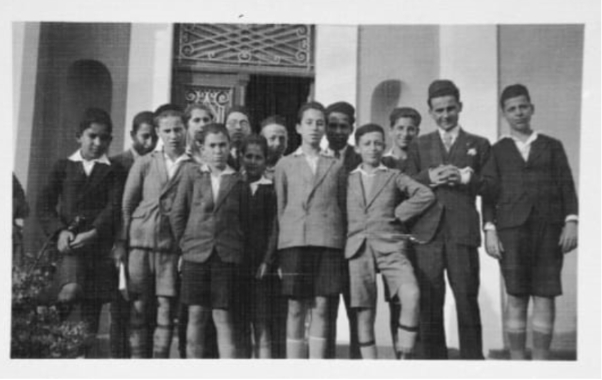
la Alliance‘ to ‘Scuola Israelitiche Italiani‘, or ‘Jewish Italian School’; it was no longer attached to the French-based Alliance and the French teachers were replaced by Italians. By the 30’s, the high school integrated boys and girls. Since European style schools tended to move the community away from its old traditions and patterns of thought, religious leaders tried hard to encourage young boys to attend the ‘Yeshivah‘.
La Juderia
The majority of Jews in Rhodes lived in their own quarter, a truly unique Jewish world called ‘la Juderia‘. It was situated near the port in the enclosed fortress built by the Knights of St. John to protect the island from pirates. Under Turkish rule, all the gates were kept closed at night to protect the Jews and the Turks from attacks by the Greeks who represented the largest part of the island’s population. It was only during Italian rule, that the gates were permanently opened. Already in 1900, community leaders estimated that there were 250 families living in the newer sections of Rhodes against 350 families living in the Juderia. There were about 4 500 Jews on the island at the time. As Rhodes soon became the centre of Italian possession in the Levant, Jews came from Italy to settle on the Island.
The Juderia
The Jews of Rhodes lived within the bounds of the walled city, in the eastern section, in a separate, densely populated area with narrow, serpentine, cobbled streets, commonly referred to as “Juderia”.
There were tall, stone, palatial homes, but there were also more humble dwellings built with mud-bricks for the large families of poorer people. Floor mosaics of white and black pebbles were fashionable in Rhodes for centuries and Jewish courtyards and synagogues floors were decorated in this manner.
Very often more than one family lived under the same roof; in such cases the families would have been related. The “cortijos”, the courtyards between houses, buzzed with news, and Judeo-Spanish (ladino) songs were heard, keeping alive a centuries-old tradition.
The main street of the quarter was known for hundreds of years as “La Kaye Ancha” which means in Ladino” “The wide street”. “La Kaye Ancha” was the main artery of the Jewish life in the city, the central gathering place through which weddings and other joyous processions passed.
It was the heart of the Jewish quarter and it was situated between the residential area and the business district. The fountain ornamented with three bronze seahorses was built during the governorship of the Italians, replacing a previous one which was destroyed.
Demographic estimates put the population of the Jewish community of Rhodes at around 500 people at the end of the 16thcentury. During the 19th century, the community witnessed a significant growth in population due to immigration. At the end of the century it reached its peak population of 4 500 to 5 000 souls. By the early 20th century a fairly large group of the Jewish families started living outside the Juderia in newer sections of Rhodes.
After the deportation of the Jews of Rhodes on the 23rd of July, 1944, the Juderia ceased to exist.
The Jews of Rhodes lived within the bounds of the walled city, in the eastern section, in a separate, densely populated area with narrow, serpentine, cobbled streets, commonly referred to as “Juderia”.
There were tall, stone, palatial homes, but there were also more humble dwellings built with mud-bricks for the large families of poorer people. Floor mosaics of white and black pebbles were fashionable in Rhodes for centuries and Jewish courtyards and synagogues floors were decorated in this manner.
Very often more than one family lived under the same roof; in such cases the families would have been related. The “cortijos”, the courtyards between houses, buzzed with news, and Judeo-Spanish (ladino) songs were heard, keeping alive a centuries-old tradition.
The main street of the quarter was known for hundreds of years as “La Kaye Ancha” which means in Ladino” “The wide street”. “La Kaye Ancha” was the main artery of the Jewish life in the city, the central gathering place through which weddings and other joyous processions passed.
It was the heart of the Jewish quarter and it was situated between the residential area and the business district. The fountain ornamented with three bronze seahorses was built during the governorship of the Italians, replacing a previous one which was destroyed.
Demographic estimates put the population of the Jewish community of Rhodes at around 500 people at the end of the 16thcentury. During the 19th century, the community witnessed a significant growth in population due to immigration. At the end of the century it reached its peak population of 4 500 to 5 000 souls. By the early 20th century a fairly large group of the Jewish families started living outside the Juderia in newer sections of Rhodes.
After the deportation of the Jews of Rhodes on the 23rd of July, 1944, the Juderia ceased to exist.
Source: https://jewishrhodes.org/la-juderia/
Jewish Institutions
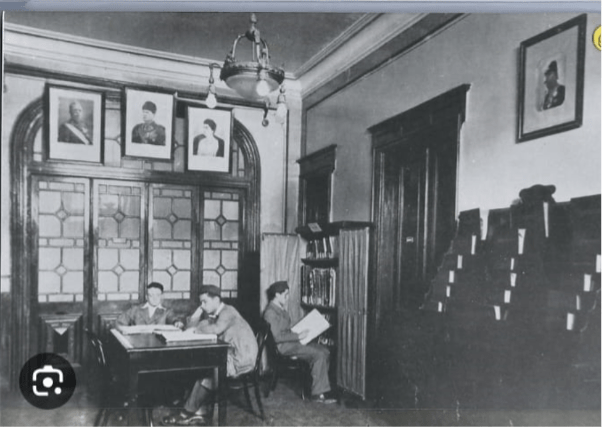
An important institution was the ‘Konsejo de la Komunidad‘ which was responsible for the publication of a monthly bulletin, reflecting the cultural life of the Rhodes community. It maintained cultural, sporting and other activities for the Jewish youth.
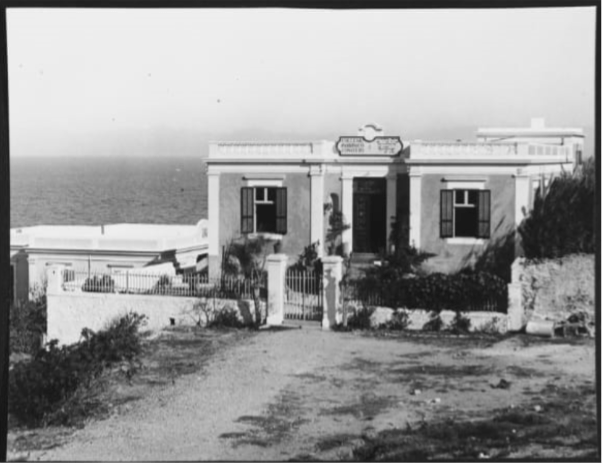
The ‘Gran Collegio Rabbinico Seminario’, based on the rabbinical seminary of Padua, was set-up in 1928 by decree of the Italian government, to train teachers, cantors, shochtim (ritual slaughterers) and rabbis in order to bolster Italian influence among Sephardim of the Mediterranean region. As the academic standard was very high, it became a leading scholarly institution in the Sephardi diaspora and attracted students from many surrounding countries.
Synagogues
Prior to the afternoon service on the first two days of Passover, it was customary to chant the Song of Songs (Shir HaShirim) in the synagogues. Each verse was sung first in Hebrew and then in a traditional Ladino translation.
Well known Rabbi’s of Rhodes
Rabbi Mosheh de Vushal (+/- 1620 – +/-1680 ) wrote Yismah Mosheh. To honour his memory, the Jews of Rhodes established the tradition of reciting a memorial prayer for him yearly on the holy day of Yom Kippur. This custom, begun in memory of de Vushal, was extended to include all subsequent Chief Rabbis of Rhodes upon their deaths.
Rabbi Moshe Israel (1714 – 1727/28) was a respected interpreter of Jewish law. He wrote three volumes of responsa (answers to questions) and was known for pursuing peace between conflicting parties. He taught many students in the yeshivot of the city and rabbinic scholarship flourished. He was an emissary of the communities of Eretz Israel, traveling throughout North Africa, the middle East and Europe in search of funds.
The most important rabbinic figure in Rhodes during the first half of the 19th century was Rabbi Michael Yaacob Israel (1790-1856), born and raised in the city he was the son of Chief Rabbi Hayyim Yehuda Israel, he was a prolific author.
Rabbi Hizkiah Shemuel Tarica (late 18th Centuary – 1859) authored a book of Biblical commentaries, Shuta Deyenukah, as well as a pamphlet of Judeo-Spanish poems to be sung on various occasions. More about his Ladino poetry can be found here.
Rabbi Reuben Eliyahu Israel Rabbi of the community from 1921-1933, he was the most loved and respected of all the great Rabbis throughout the centuries. He was knighted by King Victor Emanuel III. He was a man who attempted to reconcile Jewish tradition with the modern world. He insisted that Jewish children should study the history of their people and that Hebrew should become a spoken language. Thus, he supported the Zionists who aimed to renew Hebrew inside and outside Palestine. He was the 7th generation of the same religiously prominent family to serve as Chief Rabbis of Rhodes, a succession which lasted over 200 years. Rabbi Israel devoted a great part of his life to the translation in Ladino of psalms, proverbs, poems and religious works, such as the “Kryiat de Izhak” (The Sacrifice of Isaac) and the “Pirke Avot” (The Sayings of Our Fathers)
For more information on the Rabbi’s and Scholars of Rhodes and the intrigues and controversies please consult Marc Angel’s book “The Jews of Rhodes”
Rabbi Mosheh de Vushal (+/- 1620 – +/-1680 ) wrote Yismah Mosheh. To honour his memory, the Jews of Rhodes established the tradition of reciting a memorial prayer for him yearly on the holy day of Yom Kippur. This custom, begun in memory of de Vushal, was extended to include all subsequent Chief Rabbis of Rhodes upon their deaths.
Rabbi Moshe Israel (1714 – 1727/28) was a respected interpreter of Jewish law. He wrote three volumes of responsa (answers to questions) and was known for pursuing peace between conflicting parties. He taught many students in the yeshivot of the city and rabbinic scholarship flourished. He was an emissary of the communities of Eretz Israel, traveling throughout North Africa, the middle East and Europe in search of funds.
The most important rabbinic figure in Rhodes during the first half of the 19th century was Rabbi Michael Yaacob Israel (1790-1856), born and raised in the city he was the son of Chief Rabbi Hayyim Yehuda Israel, he was a prolific author.
Rabbi Hizkiah Shemuel Tarica (late 18th Centuary – 1859) authored a book of Biblical commentaries, Shuta Deyenukah, as well as a pamphlet of Judeo-Spanish poems to be sung on various occasions. More about his Ladino poetry can be found here.
Rabbi Reuben Eliyahu Israel Rabbi of the community from 1921-1933, he was the most loved and respected of all the great Rabbis throughout the centuries. He was knighted by King Victor Emanuel III. He was a man who attempted to reconcile Jewish tradition with the modern world. He insisted that Jewish children should study the history of their people and that Hebrew should become a spoken language. Thus, he supported the Zionists who aimed to renew Hebrew inside and outside Palestine. He was the 7th generation of the same religiously prominent family to serve as Chief Rabbis of Rhodes, a succession which lasted over 200 years. Rabbi Israel devoted a great part of his life to the translation in Ladino of psalms, proverbs, poems and religious works, such as the “Kryiat de Izhak” (The Sacrifice of Isaac) and the “Pirke Avot” (The Sayings of Our Fathers)
For more information on the Rabbi’s and Scholars of Rhodes and the intrigues and controversies please consult Marc Angel’s book “The Jews of Rhodes”
Rabbi Reuben Eliyahu Israel
The most loved and respected of all the great Rabbis throughout the centuries was the last one, Chief Rabbi Reuben Eliyahu Israel, who was knighted by King Victor Emanuel III. He was a man who attempted to reconcile Jewish tradition with the modern world. He insisted that Jewish children should study the history of their people and that Hebrew should become a spoken language. Thus, he supported the Zionists who aimed to renew Hebrew inside and outside Palestine.
Ladino wisdom from Stella Hanan Cohen
Tomamos la vida kon alegría – We take life with joy
El ke alarga la meza, alarga la vida – The one who extends the table lengthens their life
El oro fino arrelumbra – fine gold shines – A person of good character reveals his true worth
El gameyo no veyi su korkova, veyi la defrente – The camel does not see his own hump, he see the one in front of him – We are often unaware or our shortcomings
La limpiza es media rikeza – Cleanliness is half one’s wealth – The importance of being fastidious amongst the Sephardim
Kada suvida tiene su abashada – every step up has a step down – Every upside has a downside
Amostrami ken son tus amigos, te diré ken sos – Show me who your friends are and I will tell you who you are
El haragán i el selozo, nunka no tienen repozo – the lazy and the envious ones never have peace
Ken se kema en la tshorba oshupla en el yogourt – Whoever gets burnt with hot soup blows on yogurt – once bitten twice shy
La aluenga mata mas mucha djente ke la espada – the tongue kills more people that the sword – Negative speech and gossip is more harmful than any weapon
La pera alavada sale guzanada – the most prized pear is sometimes worm eaten – do not simply rely on appearances
La ija kon la madre komo la unya en la karne – the daughter with the mother like the nail in the flesh – profound relationship between mother and daughter
El peshkado fieyde de la kaveza – a fish stinks from the head – the rot starts at the top
El ke tiene amigos es riko – the one who has friends is wealthy
La para es redondo, por esto no keda en un lugar – coins are round so they never stay in the same place – everyone has their chance
Todo si va ser koulay i liviano – everything will become easy and light – it will all work out fine in the end
Si mi esuegra era mi madre, otro gayo mi kantara! If my mother-in-law was my mother, another rooster would be singing! – If my mother-in-law was my mother, that would be another story!
Para kada oya, ay su tapedera – each pot has its lid – for everything there is a solution
Uno mano lava la otra i dos lavan la kara – One hand washes the other and together they was the face – emphasises the importance of teamwork
Kitar avas meter garvansos! Replace beans with chickpeas! This phrase was muttered frequently by the poor who could only sustain themselves with these nutritious, affordable legumes
Esto está fuego sin flama – this is a fire without a flame – This is too expensive
Más deguele la palavra del amigo más ke la kuchiyada del enemigo – a harsh word from a friend is more painful than a stab from an enemy
Mira kon ojos quatros – look with four eyes – be alert, look with eyes at the back of your head
Ovras son amores – deeds express love – actions speak louder than words
Avas sin arroz es komo boda sin tanyedores – beans without rice are like a wedding without musicians
Al ijo komo lo kriates, al marido komo lo ambezates – the son becomes the way you brought him up, the husband the way you trained him
Tiene la kara de Tisha b’ Av – someone who has long face – The fast of Tisha b’Av is to commemorate the destruction of the two temples in Jerusalem. However, to describe someone with a happy countenance would be ‘kara de Pourim’, relating to the joyous festival of Purim
Ande se arapo el güerko – where the devil shaved – someone or something is so far away, or to ‘hell and gone’
No te araskes ande no te kome – don’t scratch if it doesn’t itch – if it ain’t broke, don’t fix it
Del viejo el konsejo i del riko el remedio – take advice from the elderly bu solutions from the wealthy
Pasado seya i olvidado – may it be thing of the past and forgotten
La roza en su tiempo se avre – the rose blooms in its own time – all things happen in their own good time
Bushkar kon kandela – to search with a candle – not easy to come by
El peschkado está ayinda en la mar, tu ya estás fieyendo el azeite – the fish are still in the water, you are already heating the oil – don’t count your chickens before they are hatched
Ijos de mis ijos, dos veses mis ijos – son of my sons, twice my sons – expressing how special grandchildren are
Vijita de yerno, komo el sol de l’envierno, sale tadre i se va presto! A son-in-law’s visit is like the winter sun, he comes late and leaves early!
Va ande te arrogan, i no onde te arrojan – go where you are begged for and not where you are kicked out – only go where you are welcome
Negro kon bueno, no si yama negro – bad with good is not called bad – look on the bright side of things
El güevo de mi vizina tiene dos yemos – the neighbour’s eggs seem to have two egg yolks – the grass is always greener on the other side
Al eskarso ni repoza, ni deskansa – the miser knows neither peace no rest
Ijos kriar, es fierro mashkar – to bring up children is like chewing iron – raising children is tough going!
En la kaza yena, presto si giza la sena – in a well-stocked home it is easy to cook the dinner
Pensando la vejez, pedras la mansevez – thinking of your old age you lose your youth – you waste your youth by worrying about old age
Esti esta en sus treje – he is in his 13 – he won’t budge – the source of this saying goes back to the Spanish Inquisition in 1492 when the Jews resisted forced conversion to Catholicism. Priests would utter these words, meaning Jews refuse to change their belief in the 13 Fundamental Principles of Faith is Judaism
El pan de mi vizina, es melizina – the neighbours’ bread is like medicine – a good neighbour brings good cheer
El palo verde se enderacha – a green sapling can straighten itself out – if you catch a problem early it is easier to correct
Dinguno save lo ki ay en la oya más ke la kutchara ke la meneya – no one knows what is in the pot other than the spoon that sirs it – never judge a person until you have walked a mile in their shoes
El escarso bive prove para morir riko – the miser lives poorly to die rich
El mojado no se spanta de la luvya – the one that is wet is not afraid of the rain
En boka serada no entra moshka – in a closed mouth a fly cannot enter – silence in golden
Pensando al envierno no se goza el enverano – thinking of the winter one does not enjoy the summer – enjoy the present
Berekyet versin – giving thanks after a meal for abundance
Esta arroz alvanta muncha agua – this rice will absorb a lot of water – this will take a lot of sorting out
Ken se aharva kon sus manos ke no yore – someone who strikes himself with his hands let him not cry – someone who finds himself in trouble through his own fault must not complain
Nasida de siete mezes – premature born at 7 months – person always in a hurry wanting immediate results
Este es nasido de Viernes – he is born on a Friday – he is an intelligent, talented person (the popular belief that being born on a Friday one is mysteriously gifted with extraordinary intelligence and attributes)
Mujer kon meoyo, mazal i repozo – a woman with brains good luck and rest -to be assured of a good life, choose a wise woman
Arvole sin solombra – a tree without shade – an expression said of one who is selfish and does not give to others
Dame godrura te dare ermozura – show me a plump woman, I will show you beauty
Ke tengas una kaza yena komo el guevo – may your house be as full as an egg – may your home be blessed with abundance
Dar es honor, demander es dolor – to give is honourable, to beg is painful
Ken englute amargo no eskupe dulse – the one who swallows bitterness does not spit out sweetness – no sweetness can come from an embittered person
Es komo trokar oro por lodo – it’s like swopping gold for dirt – it’s a really bad deal!
La buena mujer, yena la kaza – the good woman, the house full – a good woman’s house is well stocked
Boka dulse avre puerta de fierro – a kind word opens a gate of iron
Amigos i hermanos seremos, los bolsos no tokaremos – let’s be friends and brothers, let’s not touch our purses – between family and friends avoid money matters to maintain good relationships
Si era riko, otra gaya me kantava– if I were rich another rooster would be crowing for me – if I were wealthy, this would have been another story
Está haziendo un burako en la agua – he is trying to make a hole in the water – he is getting nowhere
Kada flor tiene su guesmo – like every flower has its own fragrance – everyone has their own special qualities
La manseves es por penar, la vejes por deskansar – youth is to struggle, the old age is time to take it easy – work while you are young so that you can rest when you are old
Mira a la madre – toma la ija – look at the mother – take the daughter
El mojado no se espanta de la luvyia – the wet one is not afraid of the rain – one who has passed through a difficult situation does not fear further challenges
Ojo ke ve, alma ke demanda – the eyes see, the soul yearns
No ay un amigo komo la madre – there is no friend in the world like your mother – your mother is your best friend
Si tu enemigo es una ormiga, kontalo komo un gameyo – if your enemy is an ant, treat it like you would a camel – do not underestimate your enemy
Más vale un drama de mazal, ke una oka de dukados – a drop of luck is worth more than a barrel of coins
El Dio ke de vida par ver maravyos – may G-d grant you life to witness miracles
La mujer i el vino kita a l’ombre del tino – a woman and wine make a man lose his mind
El ke oye a su mujer es bovo, el ke no la oye es loko – the one who listens to his wife is stupid, the one who does not listen is crazy
Una puerta se sera, i sien se avren – when one door closes a hundred open
Kon el tiempo adulsa la uva – grapes ripen with time – with time there is maturity
Ken keri vivir sana kome poko i sena temprano – whoever wishes to live a healthy life should eat little and dine early
In Ladino slang, vegetables often denoted characteristics of a person.
Piminton (bell pepper) – quick temper, cheekiness or liveliness
Kalavasa (pumpkin) – absent-minded
Kavesa di apio (a head of celery) – forgetful, vague
Okra used in this phrase, si tupo en negra bamia, was used to describe someone who finds themselves stuck in a problematic situation
Buen pipino – what a cucumber – what a problem!
Tomamos la vida kon alegría – We take life with joy
El ke alarga la meza, alarga la vida – The one who extends the table lengthens their life
El oro fino arrelumbra – fine gold shines – A person of good character reveals his true worth
El gameyo no veyi su korkova, veyi la defrente – The camel does not see his own hump, he see the one in front of him – We are often unaware or our shortcomings
La limpiza es media rikeza – Cleanliness is half one’s wealth – The importance of being fastidious amongst the Sephardim
Kada suvida tiene su abashada – every step up has a step down – Every upside has a downside
Amostrami ken son tus amigos, te diré ken sos – Show me who your friends are and I will tell you who you are
El haragán i el selozo, nunka no tienen repozo – the lazy and the envious ones never have peace
Ken se kema en la tshorba oshupla en el yogourt – Whoever gets burnt with hot soup blows on yogurt – once bitten twice shy
La aluenga mata mas mucha djente ke la espada – the tongue kills more people that the sword – Negative speech and gossip is more harmful than any weapon
La pera alavada sale guzanada – the most prized pear is sometimes worm eaten – do not simply rely on appearances
La ija kon la madre komo la unya en la karne – the daughter with the mother like the nail in the flesh – profound relationship between mother and daughter
El peshkado fieyde de la kaveza – a fish stinks from the head – the rot starts at the top
El ke tiene amigos es riko – the one who has friends is wealthy
La para es redondo, por esto no keda en un lugar – coins are round so they never stay in the same place – everyone has their chance
Todo si va ser koulay i liviano – everything will become easy and light – it will all work out fine in the end
Si mi esuegra era mi madre, otro gayo mi kantara! If my mother-in-law was my mother, another rooster would be singing! – If my mother-in-law was my mother, that would be another story!
Para kada oya, ay su tapedera – each pot has its lid – for everything there is a solution
Uno mano lava la otra i dos lavan la kara – One hand washes the other and together they was the face – emphasises the importance of teamwork
Kitar avas meter garvansos! Replace beans with chickpeas! This phrase was muttered frequently by the poor who could only sustain themselves with these nutritious, affordable legumes
Esto está fuego sin flama – this is a fire without a flame – This is too expensive
Más deguele la palavra del amigo más ke la kuchiyada del enemigo – a harsh word from a friend is more painful than a stab from an enemy
Mira kon ojos quatros – look with four eyes – be alert, look with eyes at the back of your head
Ovras son amores – deeds express love – actions speak louder than words
Avas sin arroz es komo boda sin tanyedores – beans without rice are like a wedding without musicians
Al ijo komo lo kriates, al marido komo lo ambezates – the son becomes the way you brought him up, the husband the way you trained him
Tiene la kara de Tisha b’ Av – someone who has long face – The fast of Tisha b’Av is to commemorate the destruction of the two temples in Jerusalem. However, to describe someone with a happy countenance would be ‘kara de Pourim’, relating to the joyous festival of Purim
Ande se arapo el güerko – where the devil shaved – someone or something is so far away, or to ‘hell and gone’
No te araskes ande no te kome – don’t scratch if it doesn’t itch – if it ain’t broke, don’t fix it
Del viejo el konsejo i del riko el remedio – take advice from the elderly bu solutions from the wealthy
Pasado seya i olvidado – may it be thing of the past and forgotten
La roza en su tiempo se avre – the rose blooms in its own time – all things happen in their own good time
Bushkar kon kandela – to search with a candle – not easy to come by
El peschkado está ayinda en la mar, tu ya estás fieyendo el azeite – the fish are still in the water, you are already heating the oil – don’t count your chickens before they are hatched
Ijos de mis ijos, dos veses mis ijos – son of my sons, twice my sons – expressing how special grandchildren are
Vijita de yerno, komo el sol de l’envierno, sale tadre i se va presto! A son-in-law’s visit is like the winter sun, he comes late and leaves early!
Va ande te arrogan, i no onde te arrojan – go where you are begged for and not where you are kicked out – only go where you are welcome
Negro kon bueno, no si yama negro – bad with good is not called bad – look on the bright side of things
El güevo de mi vizina tiene dos yemos – the neighbour’s eggs seem to have two egg yolks – the grass is always greener on the other side
Al eskarso ni repoza, ni deskansa – the miser knows neither peace no rest
Ijos kriar, es fierro mashkar – to bring up children is like chewing iron – raising children is tough going!
En la kaza yena, presto si giza la sena – in a well-stocked home it is easy to cook the dinner
Pensando la vejez, pedras la mansevez – thinking of your old age you lose your youth – you waste your youth by worrying about old age
Esti esta en sus treje – he is in his 13 – he won’t budge – the source of this saying goes back to the Spanish Inquisition in 1492 when the Jews resisted forced conversion to Catholicism. Priests would utter these words, meaning Jews refuse to change their belief in the 13 Fundamental Principles of Faith is Judaism
El pan de mi vizina, es melizina – the neighbours’ bread is like medicine – a good neighbour brings good cheer
El palo verde se enderacha – a green sapling can straighten itself out – if you catch a problem early it is easier to correct
Dinguno save lo ki ay en la oya más ke la kutchara ke la meneya – no one knows what is in the pot other than the spoon that sirs it – never judge a person until you have walked a mile in their shoes
El escarso bive prove para morir riko – the miser lives poorly to die rich
El mojado no se spanta de la luvya – the one that is wet is not afraid of the rain
En boka serada no entra moshka – in a closed mouth a fly cannot enter – silence in golden
Pensando al envierno no se goza el enverano – thinking of the winter one does not enjoy the summer – enjoy the present
Berekyet versin – giving thanks after a meal for abundance
Esta arroz alvanta muncha agua – this rice will absorb a lot of water – this will take a lot of sorting out
Ken se aharva kon sus manos ke no yore – someone who strikes himself with his hands let him not cry – someone who finds himself in trouble through his own fault must not complain
Nasida de siete mezes – premature born at 7 months – person always in a hurry wanting immediate results
Este es nasido de Viernes – he is born on a Friday – he is an intelligent, talented person (the popular belief that being born on a Friday one is mysteriously gifted with extraordinary intelligence and attributes)
Mujer kon meoyo, mazal i repozo – a woman with brains good luck and rest -to be assured of a good life, choose a wise woman
Arvole sin solombra – a tree without shade – an expression said of one who is selfish and does not give to others
Dame godrura te dare ermozura – show me a plump woman, I will show you beauty
Ke tengas una kaza yena komo el guevo – may your house be as full as an egg – may your home be blessed with abundance
Dar es honor, demander es dolor – to give is honourable, to beg is painful
Ken englute amargo no eskupe dulse – the one who swallows bitterness does not spit out sweetness – no sweetness can come from an embittered person
Es komo trokar oro por lodo – it’s like swopping gold for dirt – it’s a really bad deal!
La buena mujer, yena la kaza – the good woman, the house full – a good woman’s house is well stocked
Boka dulse avre puerta de fierro – a kind word opens a gate of iron
Amigos i hermanos seremos, los bolsos no tokaremos – let’s be friends and brothers, let’s not touch our purses – between family and friends avoid money matters to maintain good relationships
Si era riko, otra gaya me kantava– if I were rich another rooster would be crowing for me – if I were wealthy, this would have been another story
Está haziendo un burako en la agua – he is trying to make a hole in the water – he is getting nowhere
Kada flor tiene su guesmo – like every flower has its own fragrance – everyone has their own special qualities
La manseves es por penar, la vejes por deskansar – youth is to struggle, the old age is time to take it easy – work while you are young so that you can rest when you are old
Mira a la madre – toma la ija – look at the mother – take the daughter
El mojado no se espanta de la luvyia – the wet one is not afraid of the rain – one who has passed through a difficult situation does not fear further challenges
Ojo ke ve, alma ke demanda – the eyes see, the soul yearns
No ay un amigo komo la madre – there is no friend in the world like your mother – your mother is your best friend
Si tu enemigo es una ormiga, kontalo komo un gameyo – if your enemy is an ant, treat it like you would a camel – do not underestimate your enemy
Más vale un drama de mazal, ke una oka de dukados – a drop of luck is worth more than a barrel of coins
El Dio ke de vida par ver maravyos – may G-d grant you life to witness miracles
La mujer i el vino kita a l’ombre del tino – a woman and wine make a man lose his mind
El ke oye a su mujer es bovo, el ke no la oye es loko – the one who listens to his wife is stupid, the one who does not listen is crazy
Una puerta se sera, i sien se avren – when one door closes a hundred open
Kon el tiempo adulsa la uva – grapes ripen with time – with time there is maturity
Ken keri vivir sana kome poko i sena temprano – whoever wishes to live a healthy life should eat little and dine early
In Ladino slang, vegetables often denoted characteristics of a person.
Piminton (bell pepper) – quick temper, cheekiness or liveliness
Kalavasa (pumpkin) – absent-minded
Kavesa di apio (a head of celery) – forgetful, vague
Okra used in this phrase, si tupo en negra bamia, was used to describe someone who finds themselves stuck in a problematic situation
Buen pipino – what a cucumber – what a problem!
https://www.youtube.com/watch?v=QoGbItBfRLc
KCAL 9 news of 800 Year-Old Rhodes Torah
YouTube Channel: Rhodes Jewish Historical Foundation
https://www.youtube.com/watch?v=VuwfV7R7nBE&list=PLwVb3w40WCbzBaKBCoiulqH7ROEk5dfOt
How Did This 500 Year-Old Torah Survive The Nazis? National Library of Israel Treasures Revealed
YouTube Channel: National Library of Israel הספרייה הלאומית
https://www.youtube.com/watch?v=6E6DhrRPm94&t=70s
The 800-year-old Torah scroll from Rhodes
YouTube Channel: World Jewish Congress
Fascist Rule in Rhodes
In June 1936 when Italy allied itself with Nazi Germany, the Italian government changed its attitude towards the Jews. By the 1st of September, Fascist racial laws were promulgated throughout Italian soil, a replica of those antisemitic laws proclaimed earlier in Germany. The Rabbinical College was closed in 1938 and Jews who had settled in Rhodes after 1919 were forced to flee. Ironically, it was these laws which were responsible for the emigration of up to 2000 Jews from the island, thus sparing them the horrors of the Holocaust. Those who remained suffered the scarcity of food and death and damage to their homes caused by Allied bombs due to the Juderia’s proximity to the port.

The End of Jewish Life in Rhodes
Although Italy finally capitulated to the Allies in September 1943, 7 000 German soldiers invaded Rhodes and defeated the 30 000 Italian soldiers on the island. The Italian authorities maintained administrative control of the island but were totally powerless in trying to protect its civilian population, least of all the Jews. On 23th July 1944, Jewish life on the island came to a brutal end when the Jewish community, consisting of about 1700, was deported and sent in the most horrific conditions to Auschwitz and other Nazi camps. Turkish consul Selahattin Ülkümen, risking personal harm to his family, and despite his government’s anti-Jewish practices at that time, saved 47 Jews from the deportation by expansively arguing that they were Turkish nationals. Only 151 Rhodeslis survived the Holocaust, the majority of whom joined their families abroad after they were finally liberated.
After the War
In 1947, after a short English military occupation, Rhodes became part of Greece. About 10 of the survivors, determined to save the remnants of their sacred community, returned to their demolished homes. Mr and Mrs Soulam became the caretakers of the Kal Shalom, the only remaining synagogue, and the Jewish cemetery. Funds from Rhodeslis from the Americas, the Congo, France and Rhodesia helped the refurbishment and refurnishing of the synagogue after it had been vandalised during the war, as well as the erection of a number of memorials to honour the victims of the Holocaust. Maurice Soriano became President of the ‘community’ and did his best to ensure its survival.
When Rhodes became a part of Greece in 1947, some 50 Jews lived there. In the 1950’s, in an attempt to re-establish the community, four destitute Greek-Jewish families agreed to be re-located to Rhodes in order to fulfil the minimum requirements for the existence of a ‘community’, according to Greek Law. The offspring of these Jews did not resist assimilation. Today they no longer have any link with the Sephardi community other than having their name on the community register.
From the late 1950s a few people would visit the island on holiday, spending time wandering in the Jewish Quarter of the Old City. Some families made efforts to reclaim their properties after a lapse of several years, but they were largely unsuccessful because of property laws and legal restrictions imposed by the Greek state.
The original emigrants’ and survivors’ tales of life in the Old City have played a major role in reinforcing a sense of community across the geographical distances of the diaspora. Links between members of the community scattered widely across the world have been maintained to a remarkable degree through the decades. Family bonds, reinforced by the interlocking ties of marriage in this highly endogamous community, are strong, and have provided the basis for the continuing contact and interest in Rhodes and seek to learn of their origins and cultural heritage. Recently a revitalisation of the presence of the Jewish community on the island of Rhodes itself has taken place, thanks largely to the efforts of Bella Restis and her family, with the establishment of a museum and an associated organised tour. A major event in June 2002 was the dedication of a monument in the Jewish Quarter of the Old City during a five-day Holocaust memorial conference; the accompanying reunion was attended by over 170 Rhodes-origin people from all over the world.
The Juderia was bombed during World War II, and a small park and square were built in its place. The present fountain ornamented with three seahorses replaced a previous fountain that was destroyed during WWII. The Holocaust Memorial was dedicated on June 23, 2002, in memory of the World War II victims from the islands of Rhodes and Cos.
Aron Hasson, the founder of Rhodes Jewish Museum was born in Los Angeles. He is a 3rd generation “Rhodesli”. Aron was inspired to go to the island of Rhodes in 1975 by stories told to him by his grandparents. Its special charm and history fascinated him. Several years later, in 1995, he came back to Rhodes together with his family in order for his children to find out of their family heritage. In 1997, Hasson founded the Rhodes Jewish Historical Foundation, a non-profit organisation established to preserve the unique history and cultural background of the Jews of Rhodes, and to function as a link between the past, present and future generations of “Rhodeslis” around the world. His work has ensured the repair of the Kahal Shalom synagogue, the restoration of the cemetery and the establishment of a museum attached to the synagogue.
Although only a handful of Jews live permanently in Rhodes, holiday visits to the island continue and are popular in the third generation. Over the last few decades, families have organised ritual celebrations in Rhodes including bar mitzvahs, and in 2003 the first wedding since the deportation took place. The annual commemoration of the tragic deportation of the Jews of Rhodes also draws Rhodeslis to Rhodes. Our very own Isaac Habib conducts tours of the Juderia and shares stories of the history of life there before the deportation.
Kahal Shalom Synagogue
The Kahal Shalom Synagogue is the only remaining synagogue used for services on the Island of Rhodes. Built in 1577, the synagogue is currently located on Dossiadou and Simiou Streets.
The Synagogue was built in the traditional Sephardic style indicative of the Jews’ ancestors. There is a reading table in the centre and a women’s balcony that overlooks the lower room of the sanctuary where the men pray. The balcony was built in the 1930’s to replace the backrooms with small latticed barriers that women used to be allotted. The floor of the building has black and white mosaic stones. On the east side of the synagogue is a courtyard containing a plaque with an inscription of the founding date of the synagogue: Kislev, 5338 (1577). On the west side of the synagogue is a courtyard that until World War II held a library. Also on the west site is a plaque with the names of the families killed in the Holocaust. The eastern wall has a unique feature in that at either side of the central door there is an Ehal, a marble niche where the sacred books of the Torah are kept.
The Torah scrolls themselves were saved during the Second World War by the Grand Mufti of Rhodes, spiritual leader of the island’s Muslims.
Source: https://www.jewishvirtuallibrary.org/rhodes-greece-jewish-history-tour#google_vignette
The Kahal Shalom Synagogue is the only remaining synagogue used for services on the Island of Rhodes. Built in 1577, the synagogue is currently located on Dossiadou and Simiou Streets.
The Synagogue was built in the traditional Sephardic style indicative of the Jews’ ancestors. There is a reading table in the centre and a women’s balcony that overlooks the lower room of the sanctuary where the men pray. The balcony was built in the 1930’s to replace the backrooms with small latticed barriers that women used to be allotted. The floor of the building has black and white mosaic stones. On the east side of the synagogue is a courtyard containing a plaque with an inscription of the founding date of the synagogue: Kislev, 5338 (1577). On the west side of the synagogue is a courtyard that until World War II held a library. Also on the west site is a plaque with the names of the families killed in the Holocaust. The eastern wall has a unique feature in that at either side of the central door there is an Ehal, a marble niche where the sacred books of the Torah are kept.
The Torah scrolls themselves were saved during the Second World War by the Grand Mufti of Rhodes, spiritual leader of the island’s Muslims.
Source: https://www.jewishvirtuallibrary.org/rhodes-greece-jewish-history-tour#google_vignette
Sources and References
- Simon Markus, Toldoth ha-baranim lemishpahath Yisrael mi-Rodos. Jerusalem: R. Mass, 1935.
- Leon Taranto, “The Israel Family, A Rabbinical Family 1670–1932”. La Lettre Sépharade, vol. 20, pp. 13–17, 2005.
- Raphael Benghiat, Our Israel & Capelouto Heritage. Montfavier, France, 2007 (revised 25 Nov. 2008).
Additional Resources
The Jews of Rhodes: A History of a Sephardic Community
For a comprehensive understanding of the history of Rhodes and particularly the impact of modernisation. Marc D. Angel, 1978
From Rhodes to Cape Town: South Africa’s Sephardi Jews and their Heritage
Mathy Joffe, 1992
Jews from Rhodes in Central and Southern Africa
Hirschon, R. (2005). In: Ember, M., Ember, C.R., Skoggard, I. (eds) Encyclopedia of Diasporas. Springer, Boston, MA.
https://jewishrhodes.org/historic-background/
https://jewishrhodes.org/la-juderia/
https://www.jewishvirtuallibrary.org/rhodes-greece-jewish-history-tour#google_vignette
https://www.rhodesjewishmuseum.org/history/the-rabbis-of-rhodes/
https://www.rhodesjewishmuseum.org/juderia/
https://www.jpost.com/jewish-world/jewish-features/rhodes-a-decimated-jewish-community
http://www.columbia-current.org/isla-de-las-rosas—alyx-bernstein.html
History of the Jews of Rhodes from 300 BCE to 1938. Francos, Alhadeffs, Israels, and more
YouTube Channel: Sephardic Genealogy
History of the Jews of Rhodes from 300 BCE to 1938
YouTube Channel: The Jews of Rhodes
The Jews of Rhodes: A History of a Sephardic Community
For a comprehensive understanding of the history of Rhodes and particularly the impact of modernisation. Marc D. Angel, 1978
From Rhodes to Cape Town: South Africa’s Sephardi Jews and their Heritage
Mathy Joffe, 1992
Jews from Rhodes in Central and Southern Africa
Hirschon, R. (2005). In: Ember, M., Ember, C.R., Skoggard, I. (eds) Encyclopedia of Diasporas. Springer, Boston, MA.
https://jewishrhodes.org/historic-background/
https://jewishrhodes.org/la-juderia/
https://www.jewishvirtuallibrary.org/rhodes-greece-jewish-history-tour#google_vignette
https://www.rhodesjewishmuseum.org/history/the-rabbis-of-rhodes/
https://www.rhodesjewishmuseum.org/juderia/
https://www.jpost.com/jewish-world/jewish-features/rhodes-a-decimated-jewish-community
http://www.columbia-current.org/isla-de-las-rosas—alyx-bernstein.html
History of the Jews of Rhodes from 300 BCE to 1938. Francos, Alhadeffs, Israels, and more
YouTube Channel: Sephardic Genealogy
History of the Jews of Rhodes from 300 BCE to 1938
YouTube Channel: The Jews of Rhodes